

MMRV catch-up programme rolled out
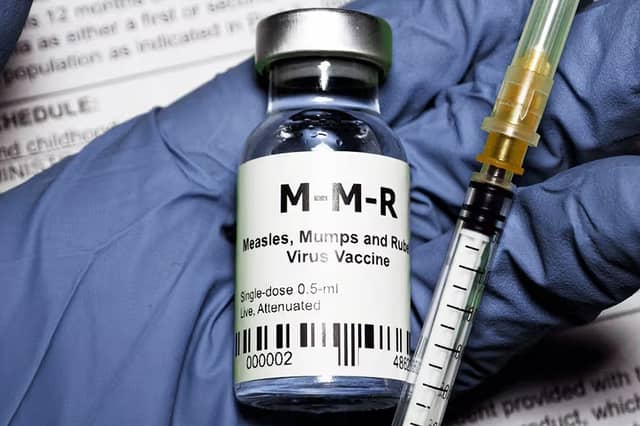

MMRV catch-up programme
Following the introduction of the varicella (chickenpox) vaccine into the routine childhood vaccination programme in January 2026, the Public Health Agency (PHA) is urging parents of eligible older children who have not yet had chickenpox infection or two doses of varicella vaccination to get vaccinated as a selective catch-up programme gets under way in Northern Ireland.
Following the introduction of the chickenpox vaccine into the childhood programme, all children born on or after 1 September 2022 are eligible to receive it. However, this catch-up programme, which is running from 1 November 2026 to 31 March 2028 will also enable children born between 1 January 2020 and 31 August 2022 to receive a single dose of MMRV (measles, mumps, rubella and varicella) vaccine. This is to help protect them against chickenpox if they have not had the infection before, or they have not already been vaccinated against chickenpox.
Louise Flanagan, Consultant in Public Health at the PHA, said: “Chickenpox is often seen as a common and mild illness, but for some babies, young children and even adults, chickenpox can be very serious, leading to hospital admission and in some cases can be fatal.
“In January 2026, the MMRV vaccine replaced the MMR in the routine immunisation schedule to help protect children from measles, mumps, rubella, and varicella, also known as chickenpox. Children were previously offered two MMR vaccines when they were aged 12 months and at 3 years and 4 months old. Although the MMRV vaccine is now offered to all young children, this catch-up will enable those who were just above the age threshold for this and therefore will not have received vaccine protection against chickenpox but may still be exposed to it in a range of settings.
“By offering this single dose of MMRV, we can help protect these children against chickenpox – not just the characteristic spots and general unwellness associated with the illness, but also the serious complications that can develop from it such as bacterial infection of skin lesions and, in rare cases, swelling of the brain, lung infection and stroke. The vaccine will also help reduce the number of days off from school, and time parents have to take off work, as a result of this highly-transmissible disease.
“Evidence from its use in other countries shows that the vaccine has a good safety record and is very effective. One dose of MMRV gives very good protection against chickenpox. It is more than 90% effective at protecting against any chickenpox infection, and around 99% effective at protecting against severe chickenpox infection. Its introduction here will have a really positive impact on the health of our young children.
“Some parents may wonder if it is safe to have the MMRV vaccine if their child has already had two MMRs in the past, however, the evidence shows that if your child has already had two MMRs, their immunity to measles, mumps, and rubella will stop the weakened viruses in the vaccine from replicating but still provide the protection needed for chickenpox. Therefore, it is important to avail of this new vaccine if eligible.”
If you are unsure if your child is up to date with vaccinations the easiest way to check is to look at your child’s red book or speak to your health visitor or GP surgery.
If your child has missed a vaccination, please contact your GP practice to book an appointment as soon as you can to make sure they have maximum protection against disease.
For more information on childhood immunisations and eligibility for the MMRV see www.nidirect.gov.uk/childhood-immunisation