

How to avoid silly mistakes
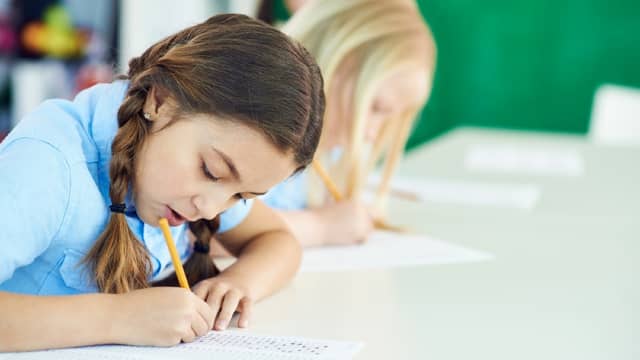

In last week's column, I discussed what to expect as children are at the early stages of starting Transfer practice tests. I touched on silly mistakes and how they negatively impact scores. This week I discuss silly mistakes in greater detail and offer advice on how to limit these. When going through test corrections with my pupils, I ask them to talk me through the question. Most of the time, the pupil can tell me the correct answer with little or no guidance. The problem is that they have made a silly mistake! I tell children not to panic as there are quick fixes for these errors instead of simply not understanding a topic.
In last week's column, I discussed what to expect as children are at the early stages of starting Transfer practice tests. I touched on silly mistakes and how they negatively impact scores. This week I discuss silly mistakes in greater detail and offer advice on how to limit these.
When going through test corrections with my pupils, I ask them to talk me through the question. Most of the time, the pupil can tell me the correct answer with little or no guidance. The problem is that they have made a silly mistake! I tell children not to panic as there are quick fixes for these errors instead of simply not understanding a topic.
Silly mistakes can arise from misreading the question or from messy working out. This week's column will recommend techniques to avoid losing valuable marks. Firstly, it is beneficial to sit down and review the corrections while identifying patterns concerning mistakes.
Messy Working Out
One of the most common causes of silly mistakes is messy working out. Children must do their work as neatly as possible. Regularly, I hear children say that they understood the question but made a mistake in their calculations. Check your child's incorrect answers to determine if their errors are because of this, and ensure they neatly lay out their work.
Underline Important Information in the Question
A key exam technique I teach to avoid silly mistakes is underlining keywords. An example from this week's English test is: Based on your reading of the passage, which of the following words best describe the village? Choose the best answer from the options below.
The keywords in this question are describe and village. The children now know to skim-read over the text to locate the word village and look for a word that describes it (adjective).
A maths example from this week is: A swimsuit is reduced by 25% in the Black Friday Sale. The swimsuit normally costs £36 to buy. How much did it cost in the Black Friday Sale? The keywords are 25%, reduced/sale and £36.00. It is easier to understand from identifying this information that the children must find 25% of £36 and take it away, or alternatively find 75% of £36.
Slow Down!
Another common cause for making silly mistakes is rushing. Rushing can result in misreading a question and misunderstanding what the question asks. From experience, when children read a question on a topic in which they are confident, they may rush into it without absorbing what is being asked or make a mistake in their calculations.
Exam Anxiety
Sometimes exam anxiety, even with practice tests, can be the culprit for silly mistakes. While a little nervousness can be a good thing as it keeps you alert, excess worry affects performance. I always tell the children never to worry about something they can rip up or throw into the fire! Moderate exercise before sitting practice tests, healthy eating and a good night's sleep, are all great methods to try and counteract exam anxiety.
Check Answers
If children have time at the end of a practice test, ask them to check their answers. As mentioned at the beginning of the column, children regularly talk me through their mistakes without assistance, so potential marks are up for grabs. If children spot even three mistakes from a test with 58 questions, that's over 5% extra on their final score!
Unlck Your Child's Potential with Education Support Hub
Education Support Hub was founded by myself, Daniel Guiney, a fully qualified teacher, after returning home from teaching in England in 2019. I'm aware of the pressures of ever-growing classroom sizes and the adverse impact on the individual time available for each pupil. I wanted to provide a service that individually tailors the learning to each child. Time out of the classroom due to lockdowns has also increased the demand for extra help.
Building confidence is my primary goal, which is essential before a child can make any academic progress. Following a free assessment, children join a small group with similar abilities. The small groups help mirror a classroom environment, and the pupils can build a rapport, always encouraging each other.
I deliver my lessons through the online platform Zoom. Using the private chat feature, Zoom allows me to monitor each child's progress throughout the class. After explaining a topic, I give an assessment question each child answers through chat to see if anyone needs help understanding it without alerting all the other children. Over the past few years, I have developed the expertise to use Zoom's tools to deliver an exceptional tutoring experience. If you would like to read more about the benefits of Zoom, please read some of my clients' 5-star reviews.
Daniel Guiney
Education Support Hub Founder
07513286626
www.educationsupporthub.co.uk